


In the realm of modern electronics, power management integrated circuits (PMICs) play a pivotal role in ensuring the efficient and reliable operation of various devices. As a leading power management IC supplier, I am often asked about the output voltage range of these essential components. This blog post aims to provide a comprehensive overview of the output voltage range of power management ICs, exploring the factors that influence it and the applications that rely on specific voltage levels.
Understanding Power Management ICs
Before delving into the output voltage range, it's important to understand what power management ICs are and what they do. Power management ICs are semiconductor devices that manage the power supply of electronic systems. They are designed to convert, regulate, and distribute electrical power from a source, such as a battery or a power adapter, to the various components within a device.
Power management ICs come in a variety of types, each with its own specific functions and applications. Some common types of power management ICs include Power Path Management IC, which control the flow of power between different sources and loads; Battery Management IC, which monitor and manage the charging and discharging of batteries; and Load Switch Control IC, which enable or disable the power supply to specific loads.
Factors Influencing the Output Voltage Range
The output voltage range of a power management IC is determined by several factors, including the design of the IC, the type of power source, and the requirements of the load. Here are some of the key factors that influence the output voltage range:
Design of the IC
The design of the power management IC plays a crucial role in determining its output voltage range. Different types of power management ICs are designed to operate at different voltage levels, depending on their intended applications. For example, some power management ICs are designed to provide a fixed output voltage, while others are designed to provide a variable output voltage that can be adjusted using external components or digital control signals.
Type of Power Source
The type of power source used with the power management IC also affects its output voltage range. Different power sources, such as batteries, power adapters, and solar panels, have different voltage characteristics. For example, a lithium-ion battery typically has a nominal voltage of 3.7V, while a power adapter may provide a fixed output voltage of 5V or 12V. The power management IC must be designed to work with the specific voltage characteristics of the power source to ensure stable and efficient operation.
Requirements of the Load
The requirements of the load also play a significant role in determining the output voltage range of the power management IC. Different electronic components, such as microcontrollers, sensors, and displays, have different voltage requirements. For example, a microcontroller may require a supply voltage of 3.3V, while a display may require a higher voltage of 5V or 12V. The power management IC must be able to provide the appropriate output voltage to meet the requirements of the load.
Common Output Voltage Ranges
The output voltage range of power management ICs can vary widely depending on the specific application and requirements. However, there are some common output voltage ranges that are frequently used in electronic devices. Here are some examples:

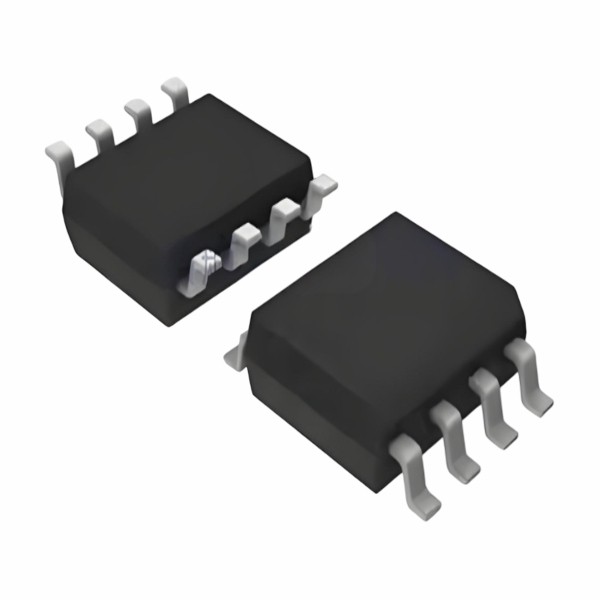
Low Voltage Range (1V - 5V)
The low voltage range is commonly used in battery-powered devices, such as smartphones, tablets, and wearables. Many microcontrollers, sensors, and other low-power components operate at voltages in the range of 1V to 5V. Power management ICs designed for these applications typically provide a regulated output voltage in this range to ensure stable and efficient operation.
Medium Voltage Range (5V - 24V)
The medium voltage range is commonly used in a variety of electronic devices, including laptops, desktop computers, and industrial equipment. Many power supplies, such as power adapters and DC-DC converters, provide an output voltage in the range of 5V to 24V. Power management ICs designed for these applications must be able to handle the higher voltage levels and provide a regulated output voltage to the various components within the device.
High Voltage Range (24V - 48V)
The high voltage range is commonly used in industrial applications, such as motor control, power distribution, and renewable energy systems. Many industrial devices, such as motors, pumps, and inverters, require a higher voltage supply to operate. Power management ICs designed for these applications must be able to handle the high voltage levels and provide a regulated output voltage to ensure safe and efficient operation.
Applications and Considerations
The output voltage range of power management ICs is critical for ensuring the proper operation of electronic devices. Different applications require different output voltage ranges, and it's important to select the right power management IC for the specific application. Here are some considerations when selecting a power management IC based on the output voltage range:
Compatibility with the Power Source
The power management IC must be compatible with the specific power source used in the application. This includes considering the voltage characteristics of the power source, such as the nominal voltage, the voltage range, and the maximum current output. The power management IC must be able to handle the input voltage and provide a stable output voltage within the required range.
Compatibility with the Load
The power management IC must also be compatible with the specific load requirements of the application. This includes considering the voltage requirements of the load, such as the minimum and maximum voltage levels, the current consumption, and the power requirements. The power management IC must be able to provide the appropriate output voltage and current to meet the requirements of the load.
Efficiency and Power Consumption
Efficiency and power consumption are important considerations when selecting a power management IC. A more efficient power management IC can help reduce power consumption and extend the battery life of battery-powered devices. It's important to choose a power management IC that offers high efficiency and low power consumption, especially in applications where power is limited.
Protection Features
Power management ICs often include various protection features to ensure the safety and reliability of the electronic device. These protection features may include overvoltage protection, undervoltage protection, overcurrent protection, and thermal protection. It's important to choose a power management IC that includes the appropriate protection features for the specific application to prevent damage to the device and ensure safe operation.
Conclusion
In conclusion, the output voltage range of a power management IC is a critical parameter that determines its suitability for different applications. As a power management IC supplier, we understand the importance of providing high-quality ICs with a wide range of output voltage options to meet the diverse needs of our customers. Whether you are designing a battery-powered device, a laptop, or an industrial system, we have the expertise and products to help you select the right power management IC for your application.
If you are interested in learning more about our power management ICs or have specific requirements for your project, please feel free to contact us for a consultation. Our team of experts is ready to assist you in finding the best solution for your power management needs.
References
- "Power Management Integrated Circuits: Design and Applications" by Ali Baharani
- "Electronic Circuit Design Handbook" by Jerry C. Whitaker
- "Battery Management Systems: Design by Modeling" by Michael Pecht


