


Keep the manufacturer part number, internal part number and supplier SKU in separate fields on a BOM. The manufacturer identifier tells you what the manufacturer can supply. The internal number identifies the buyer's controlled record. The supplier SKU describes a commercial item from that particular seller. A useful BOM crosswalk tells receiving which approved component and packing format a particular quote is expected to deliver.
LC BOM lists digital integrated circuits, including components associated with specific manufacturers. Request the complete orderable manufacturer code beside the supplier's own reference. Keep the maker, packaging, units and permitted alternatives in the quotation. Those fields may need different approvals. A short listing title or seller code is rarely sufficient to close an exact-part purchase.
Keep manufacturer and seller codes distinctThe approved part, pack and commercial SKU all belong on the order record.
LC BOM digital integrated circuits · LC BOM integrated circuits and chips
Start with who controls each field
Manufacturers publish orderable part numbers and related product documentation. A basic device code might omit the package, operating grade, packing type or other information that identifies an orderable variant. Ask which document confirms the full part number. Retain the manufacturer name alongside the code. A similar marking or device description gives little basis for substituting another part under a controlled order.
The buyer controls its internal number. An internal part number can identify one approved item or a record covering several alternatives under documented rules. The production or engineering owner should explain which relationship applies to the product revision in question. A common internal number can be useful for planning material while concealing an important difference in what the factory is allowed to receive for a particular build.
The supplier controls its commercial SKU. It can identify an original pack, a smaller commercial quantity or a particular offer. Ask the supplier to describe what its code covers on the quote and packing record. The same seller may offer different package quantities and terms for the same exact manufacturer item. Keep the mapping tied to the quotation until the seller confirms it can be used on future orders.
Bring the three records together before buying
| Field | Responsible source | What the buyer checks |
|---|---|---|
| Manufacturer and orderable MPN | Manufacturer documentation and buyer approval | Exact package, suffix and item identity |
| Internal part number | Buyer's controlled engineering or inventory record | Approved alternatives, product or revision scope |
| Supplier SKU | Current supplier offer | Product identity, order unit and commercial format |
| Packing identification | Actual labels and manufacturer documentation | The ordered format and evidence to check |
| Receipt | Packing list, purchase order and controlled records | Actual manufacturer item, quantity and disposition |
Texas Instruments' SN7404 family documentation gives examples of distinct orderable codes and packing options. The model suffix and packing table are useful prompts for a buyer reviewing another part. Confirm the actual manufacturer and datasheet relevant to the proposed LC BOM line. A manufacturer example is not evidence that a different part in a distributor catalog is an approved equivalent.
Preserve the entire part number even where a storage or purchasing system has a character limit. An internal alias should lead to a controlled record that shows the actual manufacturer and exact code. Ask the buyer to identify where both the supplier and receiving staff will find it. Removing a meaningful character to make an order fit a system can turn a documented variant into an ambiguous request.
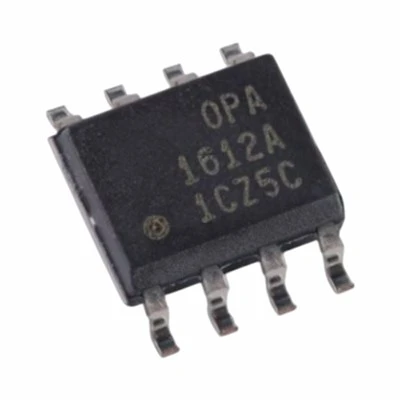
Check the quantity you are actually ordering
Illustrative example: the buyer needs 800 approved devices. Under an assumed quote, one supplier SKU means 100 devices in a commercial unit. Eight such units deliver 8 × 100 = 800 devices. Confirm that the quantity unit on the quote is the one the purchasing system uses. A per-device price and an order that uses packs require a clear conversion. Neither heading alone tells receiving which packing format was approved.
Ask the factory whether it accepts full reels, cut tape, tubes or other packaging for the application. The installed part can have the same electrical identity yet require different preparation or handling when supplied in another pack. Establish the required labels and condition at receipt. If a lead-time offer uses different packing from the original request, ask who has authority to approve it before placing the order.
If stock is offered in multiple reels or lots, ask which restrictions apply to the particular job. Record the needed lot or package evidence even where it does not belong in a commercial code. The contract manufacturer might receive devices against the buyer's number while the supplier ships against its own identifier. Give each company the same controlled reference linking what it sees to the approved placement order.
Give receiving a way to identify a mismatch
Compare the actual package and available part labels to the purchase record. Check quantity, packaging and the manufacturer's identity under the normal receiving plan. If a top-side mark is shorter than the manufacturer's orderable code, use the authorized identification method and documentation. Make it easy to preserve package evidence if the case needs further review.
Keep open stock decisions separate from technical authorization. Receiving can record a difference and hold material under its approved procedure. Purchasing can contact the supplier to reconcile terms. The qualified technical owner decides whether a proposed alternate is suitable for a particular build. An acceptable commercial credit cannot approve a part change.
Test the mapping using one previous order. Ask purchasing to find the exact approved manufacturer number from the internal item. Give receiving the order and a representative label and ask it to identify what was supplied. If both need to ask the original spreadsheet owner, choose a better source for the mapping. Record where a person can find the effective date and a summary of what was approved.
Keep sourcing changes visible
If a second source supplies the same orderable device, add the new commercial SKU and its offer terms. If it proposes a different manufacturer's product or suffix, treat that under the buyer's engineering approval. A single internal item can still reference the relevant permitted alternatives and pack rules. Keep the buyer's approved manufacturer list and the supplier's sales records distinct.
Before releasing replenishment, have the supplier show how the buyer's part and its own SKU appear on the acknowledgement and packing list. Keep any order-unit or pack conversion beside the actual quote. When a field is updated, preserve old orders and their evidence so receiving can explain a shipment placed before the change. Timing matters when open orders and newer approval records overlap.
Test the crosswalk across an actual order handoff
Choose a current quote that contains at least one approved package option and one variant that is not allowed for this build. Ask purchasing to map the provider's reference to the full orderable part number and its own record. Give receiving a representative label and ask it to find the approval required for that item. The exercise should expose whether a shortened printout drops a significant suffix or hides the manufacturer. Where a packing description is missing, ask the supplier to return a corrected acknowledgement before the order is closed.
Consider the commercial effect of a buyer's unit conversion. If the internal number refers to devices and the vendor sells a kit or pack, agree how the order system represents both units. Have the planner specify which figure drives the forecast and which one must appear on the order. Protect the full MPN and maker even where a search alias lets staff find it with a shorter term. Assign an owner for alias changes so a future search improvement cannot silently alter an approved purchasing rule.
Ask the receiving manager what needs to travel with each shipment. A pack label may expose one orderable reference, while the box label points to the supplier SKU. Show what the receiving employee should compare, whom to contact if a number is unreadable and what stays on hold. If another party breaks a commercial pack, determine what references need to remain with the parts. The answer can be different for an item going directly to the approved line and one being held for later work.
Buyers preparing for a second source should preserve the previous commercial and technical approvals with their dates. Include open purchase orders in any mapping review. A new supplier confirmation should not overwrite the meaning of an earlier order. If two commercial formats are acceptable from the same source, give each an identified offer and any constraints on where it may be received. The record then works for the contract manufacturer and for the planner who has to place a replenishment at short notice.
In purchase operations, leave the supplier confirmation beside the item crosswalk. The warehouse should be able to find the approval as it stood on the date of the order. If acceptance requires a case review, list which original labels and lot information to retain rather than asking for a newly typed identifier.
BOM mapping questions
Are an MPN and supplier SKU interchangeable?
Keep them distinct. Confirm the maker's full orderable code and the seller's own reference on the quote.
Can one internal item point to several MPNs?
Yes where the buyer's controlled approval defines the alternatives. Record what the supplier provided for each receipt.
Can a listing title replace the original ordering code?
Use it to find a candidate. Verify the manufacturer and exact orderable reference before the purchase.
What if the package uses a short marking?
Follow the authorized receiving procedure and manufacturer information. Retain the labeled package and request missing evidence.
What should an order unit include?
State how many devices the quoted commercial unit contains, the packaging format and any permitted variations.
What should LC BOM get with a request?
Send the manufacturer, full orderable numbers, needed quantities, permitted pack formats and any approval or lot evidence constraints.
Ask LC BOM to quote the exact BOM line
Send the approved manufacturer entries and quantities. Request exact orderable references, matching commercial SKUs, packing details and current availability.


