


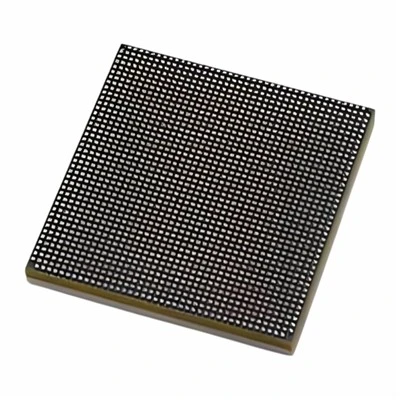
For moisture-sensitive components, require the supplier to identify the exact manufacturer part number, package and moisture sensitivity level, then describe how the parts will arrive. Ask whether the offer is in unopened original dry pack or in a controlled partial pack, who handled any repacking and which label and traceability records the buyer will get. "Sealed" alone says little about the history of a bag.
A moisture-sensitive component packaging RFQ should use the actual device and the intended build. LC BOM lists digital integrated circuits. Ask it to confirm the exact approved part rather than inferring moisture classification from a product-family listing. Texas Instruments' MSL guidance explains the relationship between moisture sensitivity, packing and floor life for applicable devices. Apply the component maker's information and the standards and procedures actually required for the order.
Name who handled the packingTie the exact part, lot, bag and acceptance evidence to the quotation.
LC BOM digital integrated circuits · LC BOM integrated circuits and chips
Get the manufacturer and package right first
Write the full orderable part number, manufacturer and package designation. A device can be sold in different packages or packing units. Do not rely on the mounting description alone. Have quality or engineering establish what evidence applies to the exact package. Specify any manufacturer documentation that the supplier should return before the buyer approves the quote.
Ask for the relevant MSL and source document. MSL concerns how a specified package is handled in relation to moisture exposure and processing under relevant conditions. It is not the same as the age of the device, the condition of a shipment or a general warranty. If a source offers a different order suffix, verify its packaging and handling instead of treating the classification under one option as universal.
Give the supplier the actual quantity, factory start date and accepted pack format. Receiving unopened reel quantities may make sense for a larger build. A small run might need a partial pack. Write whether each commercial option is acceptable and how it must be identified. An on-time offer can still be a poor choice if its pack format leaves the buyer unable to establish the relevant condition.
Separate unopened original packs from partial offers
| Question | Unopened original dry pack | Repacked or partial pack |
|---|---|---|
| Identity | Manufacturer label and pack references where applicable | Supplier identifier linked to manufacturer and original lot |
| Package history | Condition and applicable original label information | Who opened and repacked it and scoped supporting evidence |
| Inside the pack | Required items per applicable maker or qualified procedure | Confirmation of supplied items and controlled process where accepted |
| Quantity | Original pack count and ordering unit | Actual quantity supplied and handling format |
| Acceptance | Buyer checks expected records and condition | Quality determines whether the documented scope is sufficient |
Ask the seller what "factory sealed" means in its offer. A seller may describe an unopened manufacturer pack, a new barrier bag prepared by its own facility or another commercial arrangement. Those are different claims. The seller should say which packing condition it is offering and show what the receiving label will say. Request a representative photo or sample record if visual identification is important to receiving.
Where a partial quote is acceptable, clarify whether the parts came from one identified lot and what information remains when a seller divides a pack. Ask what the supplier can declare about handling, storage, exposure and the authorized repacking process. Do not assume an unknown exposure history is reset simply because a bag was resealed. If documentation does not resolve an issue, keep it for the buyer's quality disposition.
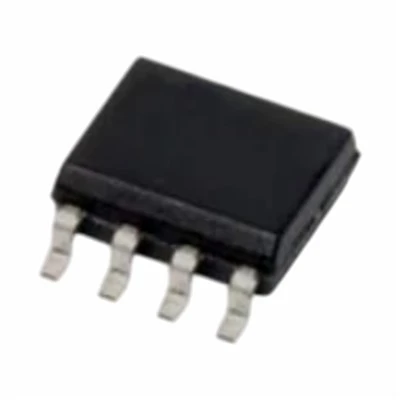
Decide what needs to arrive with the bag
Confirm the manufacturer labeling or other authorized trace record, packing references, quantity and lot information. Ask what is visible on the outside. Depending on the agreed requirements, the buyer may need moisture barrier bag information, evidence of desiccant and the specified humidity indicator card. The need and interpretation belong to the applicable documentation and procedure. A catalog photograph of a bag does not establish that the sold package contains the required items.
Ask the supplier to label customer order and part number references where required without obscuring the original identification. The warehouse should be able to tell a full original pack from a partial offer by looking at the records and labeling. Place the relevant reference beside the lot and actual number of parts. If the purchaser wants the material sent directly to a contract manufacturer, have both recipients agree which record travels with it.
Clarify the buyer's handling boundary. The warehouse may verify external labels and package condition, while only the qualified process in a controlled area may open or assess contents. Ask quality to define its required checks and what to do when a bag is damaged or a record is missing. Do not ask an unqualified shipping or warehouse employee to infer acceptance from a color or use an improvised treatment.
Give the factory the actual release context
Illustrative scenario: a buyer needs parts for a small run and receives one quote for an original pack and another for a smaller repacked amount. The smaller quantity might reduce excess, but the operation needs a clear link to the original part and the documented packing arrangement. The buyer sends both commercial offers to its quality owner. It confirms quantities and dates separately from permission to use the received material.
Write what happens if planned work is delayed. The authorized owner should determine what records and conditions remain applicable. Avoid inventing a universal shelf life or exposure allowance. If timing after opening matters, record actual opening and relevant custody events under the applicable procedure. A quote is stronger if it identifies how the supplier can support the necessary labels and package evidence.
Give lot identification and any labeling documents to receiving before the delivery, not after a dispute. If a bag is questioned, preserve it and its labels under the approved controls. Record where it was found and which order it belongs to. Technical review can then decide what is missing without recreating the shipment from memory.
Keep approved receiving instructions beside the purchase order
Request a line-by-line confirmation of part identity, packing and documentation. Attach any accepted variations and the person who can authorize changes. An alternate order suffix or a divided pack can need approval before shipping. Give the receiving and manufacturing teams the same reference. Describe what has to happen if the packaging condition or offered identity differs from the accepted quote.
If you plan to use the offer again, record the lot and commercial pack separately from the approved device. A new pack or seller arrangement can change purchasing and receiving without changing the part number itself. Keep the scope of the approved order visible so a later buyer can request the same evidence.
Walk the receiving scenario before confirming the quote
Take one proposed shipment and ask the warehouse to describe how it will recognize the approved pack. Give it the manufacturer's part number and the examples of labels the seller expects to provide. If a divided pack uses a new label, have receiving match that label to the original part and lot through the approved paperwork. If the label cannot be reconciled, decide beforehand who will hold the goods and who can contact the supplier.
Write down when the actual factory needs the devices. A partial pack could be commercially attractive because less material is tied up, while the permitted use and unpacking schedule could be different. The production planner should know what evidence must be accepted before the lot is assigned. Keep the requested receipt date, actual handling requirements and manufacturing plan together so an apparently early delivery does not turn into unavailable stock.
Ask the supplier to confirm whether an order will combine lots when it fulfills a quantity. The buyer may require separate records for each lot or packing unit. Clarify what approval applies to any change from an original package to a repacked option. Give procurement a usable choice when a commercial lead time shifts, and keep the qualified acceptance owner on that decision.
Build a clean return path for a problem. Preserve the supplier's labels and quotes beside the buyer's receipt record. Give the relevant facts to the party reviewing the issue rather than assigning a reason from a damaged seal or missing label. A well-documented exception can be resolved without losing the original information. The next quote can then request evidence the buyer already knows it will need.
Where the quote depends on a subcontracted packing service, ask who owns the final label and records. The approved record should let you identify which facility handled the parts and who can answer a discrepancy. Procurement can then compare the offer against an original pack without assuming that the burden of missing evidence will fall to the assembler.
Moisture-sensitive packing questions
Does a sealed bag establish original packaging?
Ask who sealed it and whether it is the original manufacturer's pack. Keep supporting labels and identification.
Can MSL be inferred from the family name?
Request the applicable maker's information for the exact part and package. Document the evidence before approving the offer.
Is a repacked quantity always unacceptable?
Use the buyer's policy and evaluate the documented process, condition and traceability. Confirm what the offer actually includes.
Who should interpret an indicator card?
Follow the approved handling procedure and applicable instructions. Route unexpected or uncertain conditions to the qualified owner.
Does repacking erase previous exposure?
A new bag does not establish exposure history. Request the relevant records and use the approved disposition process.
What should LC BOM receive with the quote request?
Provide the full MPN, manufacturer, required quantity, acceptable packing and traceability, and the receiving or production deadlines.
Request a documented component packing quote
Send LC BOM the exact part, approved pack options, evidence and timing requirements. Ask it to describe the packing condition and records for each commercial offer.


