


As a supplier of power management ICs, I've seen my fair share of issues that customers face. One of the most common problems is excessive current draw in power management ICs. It's a headache for many, and today, I'm gonna break down what could be causing this issue.
First off, let's talk about the basics. A power management IC is designed to regulate and distribute power efficiently. It's like the traffic cop of an electronic system, making sure that power gets to where it needs to go without any hiccups. But sometimes, things go wrong, and the IC starts drawing more current than it should.
1. Overloaded Loads
One of the most straightforward reasons for excessive current draw is an overloaded load. Think of it like trying to pour a gallon of water through a straw. If the load connected to the power management IC requires more current than the IC is rated for, it's gonna struggle. This can happen when you connect too many devices to a single power source or when a device malfunctions and starts drawing more power than normal.
For example, let's say you've got a Battery Management IC that's designed to handle a certain amount of current for charging a battery. If you try to charge a larger battery or multiple batteries at once without upgrading the IC, it's gonna draw more current in an attempt to meet the demand. This not only puts stress on the IC but can also lead to overheating and reduced lifespan.
2. Short Circuits
Short circuits are another major culprit. A short circuit occurs when there's an unintended connection between two points in a circuit with very low resistance. This causes a large amount of current to flow through the path of least resistance, bypassing the normal load.
In a power management IC, a short circuit can happen due to a variety of reasons. It could be a manufacturing defect, such as a solder bridge between two pins on the IC. Or, it could be caused by physical damage to the circuit board, like a crack that creates an unintended connection. Even something as simple as a piece of debris getting lodged between two conductive traces can cause a short circuit.
If you suspect a short circuit, you'll usually notice a significant increase in current draw, along with other symptoms like overheating, burning smells, or even smoke. It's important to address short circuits immediately, as they can cause permanent damage to the power management IC and other components in the system.
3. Faulty Components
Sometimes, the problem isn't with the power management IC itself but with other components in the circuit. A faulty capacitor, for example, can cause excessive current draw. Capacitors are used to store and release electrical energy, and if they're not functioning properly, they can disrupt the normal flow of current in the circuit.
A capacitor that's shorted or has a high equivalent series resistance (ESR) can draw more current than it should. This can put additional stress on the power management IC, causing it to draw more current to compensate. Similarly, a faulty inductor or resistor can also cause issues with current draw.
When troubleshooting, it's important to check all the components in the circuit, not just the power management IC. You can use a multimeter to test the resistance, capacitance, and other electrical properties of the components to see if they're functioning within spec.
4. Incorrect Biasing
Biasing is the process of setting the operating point of a component in a circuit. In a power management IC, incorrect biasing can cause the IC to draw excessive current. This can happen if the bias voltage or current is set too high or too low.
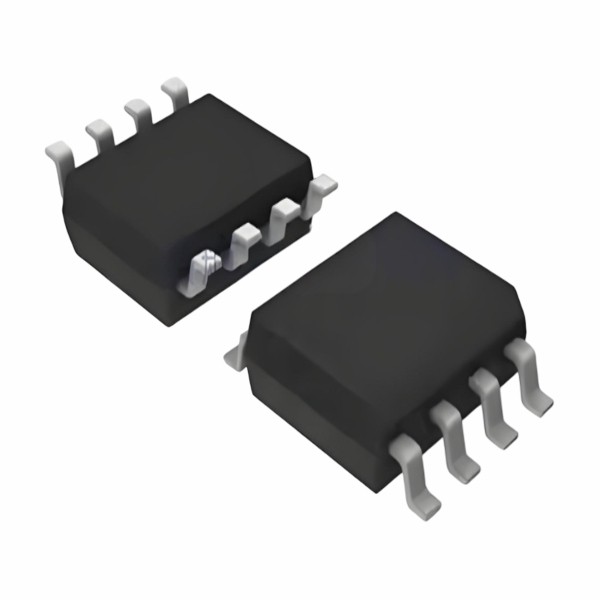

For example, if the bias voltage for a transistor in the power management IC is set too high, the transistor will conduct more current than it should. This can lead to increased power consumption and overheating. On the other hand, if the bias voltage is set too low, the transistor may not conduct properly, which can also cause issues with current draw.
To ensure correct biasing, it's important to follow the manufacturer's specifications when designing the circuit. You may also need to use precision resistors and other components to set the bias voltage and current accurately.
5. Thermal Issues
Heat can have a significant impact on the performance of a power management IC. When an IC gets too hot, its electrical properties can change, which can lead to increased current draw. This is known as thermal runaway.
Thermal runaway occurs when the increased current draw causes the IC to heat up even more, which in turn causes the current draw to increase further. This can quickly spiral out of control, leading to permanent damage to the IC.
To prevent thermal issues, it's important to provide adequate heat sinking for the power management IC. This can involve using a heat sink, a fan, or other cooling methods. You should also make sure that the IC is operating within its specified temperature range.
6. Software or Firmware Issues
In some cases, the problem may not be hardware-related at all but rather due to software or firmware issues. A bug in the code that controls the power management IC can cause it to draw excessive current. This can happen if the code is not optimized properly or if there's a conflict between different software modules.
For example, if the power management IC is supposed to enter a low-power mode when the system is idle but the software fails to put it into that mode, the IC will continue to draw more current than necessary. Similarly, if the software is constantly polling the IC for data or performing unnecessary operations, it can increase the power consumption.
To address software or firmware issues, you may need to update the code or work with the software developer to identify and fix the bug. It's also a good idea to test the power management IC with different versions of the software to see if the problem persists.
7. EMI/RFI Interference
Electromagnetic interference (EMI) and radio frequency interference (RFI) can also cause a power management IC to draw excessive current. EMI and RFI are generated by external sources, such as other electronic devices, power lines, or wireless signals. When these signals interfere with the power management IC, they can disrupt its normal operation and cause it to draw more current.
For example, if there's a strong EMI source near the power management IC, it can induce unwanted currents in the circuit. This can cause the IC to malfunction and draw more current in an attempt to compensate. To reduce the effects of EMI/RFI, you can use shielding, filtering, or other techniques to block or attenuate the interference.
In conclusion, there are many factors that can cause a power management IC to draw excessive current. By understanding these factors and taking the necessary steps to prevent and troubleshoot them, you can ensure the reliable operation of your electronic systems.
If you're experiencing issues with excessive current draw in your power management ICs or if you're looking for high-quality Lithium Battery Protection IC or Power Path Management IC, don't hesitate to reach out. We're here to help you find the right solutions for your power management needs. Whether you're a small startup or a large corporation, we've got the expertise and products to meet your requirements. Contact us today to start a conversation about your power management challenges and how we can work together to solve them.
References
- "Power Electronics: Converters, Applications, and Design" by Ned Mohan, Tore M. Undeland, and William P. Robbins
- "Integrated Circuit Design for High-Speed and High-Power Applications" by John D. Cressler and Robert G. Meyer
- Manufacturer's datasheets for power management ICs and related components


