


Hey there! As a supplier of power management ICs, I often get asked about what programmability in these little chips really means. So, I thought I'd take a few minutes to break it down for you.
First off, let's talk about what a power management IC (PMIC) is. In a nutshell, a PMIC is a chip that helps manage the power in an electronic device. It takes the power from a source, like a battery or a power adapter, and distributes it to different parts of the device in a safe and efficient way. Think of it as the traffic cop of your device's power system, making sure everything gets the right amount of juice at the right time.
Now, programmability in a PMIC means that you can customize its behavior. Instead of having a one - size - fits - all solution, you can tweak the PMIC to meet the specific needs of your application. This is super important because different devices have different power requirements. For example, a smartphone has a very different power profile compared to a laptop or an IoT device.
One of the main aspects of programmability is voltage regulation. Most PMICs can output different voltages, and with programmability, you can set the exact voltage levels you need. This is crucial for components like microprocessors, which often require very precise voltage supplies to operate correctly. If the voltage is too high, it can damage the component; if it's too low, the component might not work at all.
Let's say you're designing a new IoT sensor. This sensor might need a very low - power, stable voltage supply to run its microcontroller and sensors. With a programmable PMIC, you can set the output voltage to exactly what the sensor needs, optimizing power consumption and extending the battery life of the device.
Another area where programmability shines is in power sequencing. In many electronic devices, different components need to be powered up and down in a specific order. For instance, in a computer, the memory might need to be powered up before the processor. A programmable PMIC allows you to define this power - up and power - down sequence. You can set delays between different power rails turning on or off, ensuring that the device starts up and shuts down smoothly without any glitches.
Now, let's talk about some of the specific types of power management ICs we offer and how their programmability can be useful.
The Power Path Management IC is a great example. This type of IC manages the power flow between different power sources, like a battery and a power adapter. With programmability, you can set rules for when to switch between sources. For example, you can configure it so that when the battery level drops below a certain percentage, the device automatically switches to the power adapter. You can also set limits on how much power is drawn from each source, protecting the battery from over - charging or over - discharging.
Our Lithium Battery Protection IC is another important part of our product line. Lithium batteries are widely used in electronic devices because of their high energy density, but they also need careful management to ensure safety. A programmable lithium battery protection IC allows you to set parameters like over - charge protection, over - discharge protection, and short - circuit protection. You can adjust these parameters based on the specific characteristics of the battery you're using, providing an extra layer of safety for your device.

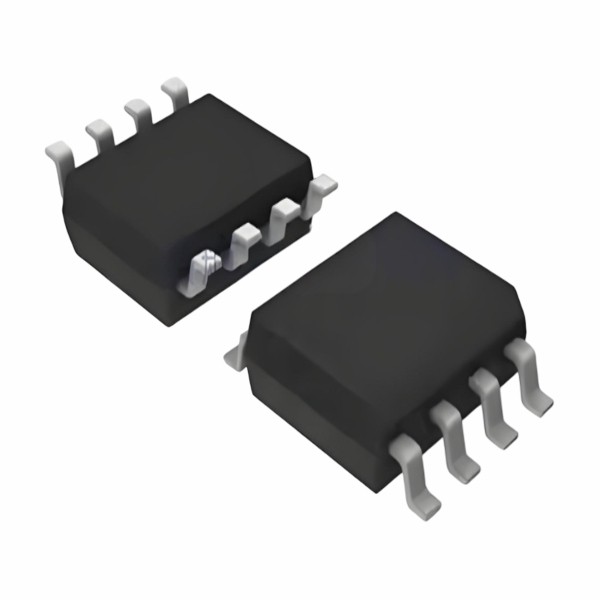
The Load Switch Control IC is also highly programmable. This IC is used to control the power to individual loads in a device. You can program it to turn loads on and off based on certain conditions, like the state of a sensor or the output of a microcontroller. This can be very useful for conserving power in devices where some components are only needed occasionally. For example, in a smartwatch, you can use a load switch control IC to turn off the Wi - Fi module when it's not in use, saving battery power.
So, how do you actually program these PMICs? Well, most of our PMICs support different programming interfaces, such as I2C or SPI. These are standard communication protocols that allow you to send commands to the PMIC and read its status. You can use a microcontroller or a development board to communicate with the PMIC and set the desired parameters.
In addition to the basic programming features, many of our PMICs also support advanced features like firmware updates. This means that if you need to change the behavior of the PMIC in the future, you can do so without having to replace the chip. You can simply upload new firmware to the PMIC, adding new functionality or fixing any bugs.
The programmability of power management ICs offers a lot of benefits. It allows for greater flexibility in device design, enabling you to optimize power consumption, improve device performance, and enhance safety. Whether you're working on a small IoT device or a large - scale industrial application, a programmable PMIC can be a game - changer.
If you're interested in learning more about our power management ICs or need help choosing the right one for your project, don't hesitate to reach out. We're here to assist you in making the most of the programmability features our PMICs offer. Let's work together to create more efficient and reliable electronic devices.
References:
- Power Electronics Handbook, Third Edition, edited by Muhammad H. Rashid
- Integrated Circuit Design for Power Management, by Peter Allen


